







Commentary
Below is an excerpt from a report that OSI's President/Founder provided to our initial group of sponsors upon the establishment of OSI-Kyustendil and our partnership with Cedar Foundation. It provides a more detailed synopsis of Cedar's challenges in establishing the homes, followed by a bit of OSI's own philosophy in assisting special needs children.
24 October 2013
Exactly three years ago, in the fall of 2010, on a trip to Bulgaria to visit some of the graduated youth from OSI’s old Bulgaria program,
Lindsay invited me to visit her project in Kyustendil. Lindsay had served as OSI Liaison in the final year or so of our program,
and had since then stayed on in Bulgaria, going to work for the fledgling Cedar Foundation. Initially, Cedar was involved
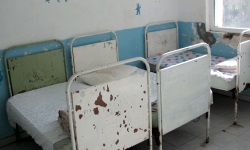 in helping special-needs children in the state-run orphanage for disabled in Gorna Koznitsa village. To overcome the insurmountable
difficulties of the state-run orphanage environment, Cedar had the grand, seemingly unrealistic idea of creating purpose-built “family”
type homes for these children, complete with properly trained staff,
access to modern therapy and educational resources, integrating the children into the local community and providing special-needs training to
local teachers, etc. I say “seemingly unrealistic”, as while the logistics of the project alone would be a massive undertaking,
Bulgarian social stigmas would greatly inhibit hiring, training, and integration, and antiquated local and state government policies would provide
countless bureaucratic obstacles. Happily, I was completely wrong in my prognosis, and somehow Cedar Foundation achieved this grand goal, and
that in a remarkably brief period of time. This is the first of two major impressions I wish to share with you.
The second: Back to the fall of 2010, Cedar’s “Siyanie Homes” had just opened, –literally, within the week of my visit. The
children had just been moved from the Gorna Koznitsa institution into their new family-style homes. And what did I see on my visit?
–near disaster, to be honest. Already a couple broken windows, broken furniture, semi-violent children, robotic children at best,
skeletal frames with pale skin, traumatized faces, no smiles, no personalities, no individuals, just a small herd of oscillating,
traumatized beings, and an under-abundance of staff at their wits end. I was intimately familiar with this environment and these
behaviours from my own years of experience trying to assist children in state orphanage environments. These children, some of them
scooped out of cribs which they hardly ever left, departed the four bleak paint-peeling walls of their remote, virtual prison; not only
overwhelmed by the change, they suddenly found themselves in an environment designed to stimulate. Beyond
stimulation; it was near chaos. This had nothing to do with their new home, and everything to do with where these children were
coming from, and the care/therapy/humanity they had never experienced.
in helping special-needs children in the state-run orphanage for disabled in Gorna Koznitsa village. To overcome the insurmountable
difficulties of the state-run orphanage environment, Cedar had the grand, seemingly unrealistic idea of creating purpose-built “family”
type homes for these children, complete with properly trained staff,
access to modern therapy and educational resources, integrating the children into the local community and providing special-needs training to
local teachers, etc. I say “seemingly unrealistic”, as while the logistics of the project alone would be a massive undertaking,
Bulgarian social stigmas would greatly inhibit hiring, training, and integration, and antiquated local and state government policies would provide
countless bureaucratic obstacles. Happily, I was completely wrong in my prognosis, and somehow Cedar Foundation achieved this grand goal, and
that in a remarkably brief period of time. This is the first of two major impressions I wish to share with you.
The second: Back to the fall of 2010, Cedar’s “Siyanie Homes” had just opened, –literally, within the week of my visit. The
children had just been moved from the Gorna Koznitsa institution into their new family-style homes. And what did I see on my visit?
–near disaster, to be honest. Already a couple broken windows, broken furniture, semi-violent children, robotic children at best,
skeletal frames with pale skin, traumatized faces, no smiles, no personalities, no individuals, just a small herd of oscillating,
traumatized beings, and an under-abundance of staff at their wits end. I was intimately familiar with this environment and these
behaviours from my own years of experience trying to assist children in state orphanage environments. These children, some of them
scooped out of cribs which they hardly ever left, departed the four bleak paint-peeling walls of their remote, virtual prison; not only
overwhelmed by the change, they suddenly found themselves in an environment designed to stimulate. Beyond
stimulation; it was near chaos. This had nothing to do with their new home, and everything to do with where these children were
coming from, and the care/therapy/humanity they had never experienced.
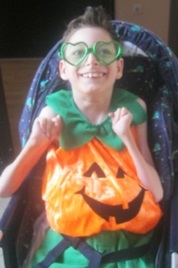 Jump ahead three years. On this year’s visit, my second, though perhaps greater, impression was the complete change in the environment, and the incredible
development of these same children. I recognized some of the children from my previous visit (amazing, as they were hardly
recognizable). Violent had transformed to outgoing; robotic had melted to gentle. Every face radiates personality.
Every pair of eyes, enthusiasm. Every smile, real happiness. The homes and the routines, both neat and tidy, -the children mostly
taking care of that themselves. I came to Bulgaria this time to launch our sponsorship effort for these children. And while I
am indeed enthused with what we accomplished, I have to say that my primary thought upon leaving was that I am genuinely proud that we
have the opportunity to contribute to Cedar’s effort, and especially the opportunity to be involved in the lives of these remarkable and
deserving children.
I close with a bit of philosophical reflection: I use the word “disabled” without
apology, as in fact my own belief is that we are all of us disabled. Each with our infinite variety of physical, mental, and
emotional shortcomings, –is any being in fact fully “enabled”? If a Stephen Hawking is “disabled”, then what am I?
At the other end of this thought-spectrum, particularly when spending time with these children, I am moved by the
pure innocence of these beings. Indeed they are disabled in one respect that you and I are not; they are unable to sin, incapable of even
contemplating sin. I do not use the word in its ideological context, but in the real context that I am daily inclined to choose
self-serving over sacrifice, vanity over humility, jealousy over magnanimity, vindictiveness over
forgiveness, –choices these children never even contemplate, having none of the multitudinal vices that handicap the rest of us.
Perhaps it is something we can learn from them, as a therapy to overcome our own graver disabilities.
Jump ahead three years. On this year’s visit, my second, though perhaps greater, impression was the complete change in the environment, and the incredible
development of these same children. I recognized some of the children from my previous visit (amazing, as they were hardly
recognizable). Violent had transformed to outgoing; robotic had melted to gentle. Every face radiates personality.
Every pair of eyes, enthusiasm. Every smile, real happiness. The homes and the routines, both neat and tidy, -the children mostly
taking care of that themselves. I came to Bulgaria this time to launch our sponsorship effort for these children. And while I
am indeed enthused with what we accomplished, I have to say that my primary thought upon leaving was that I am genuinely proud that we
have the opportunity to contribute to Cedar’s effort, and especially the opportunity to be involved in the lives of these remarkable and
deserving children.
I close with a bit of philosophical reflection: I use the word “disabled” without
apology, as in fact my own belief is that we are all of us disabled. Each with our infinite variety of physical, mental, and
emotional shortcomings, –is any being in fact fully “enabled”? If a Stephen Hawking is “disabled”, then what am I?
At the other end of this thought-spectrum, particularly when spending time with these children, I am moved by the
pure innocence of these beings. Indeed they are disabled in one respect that you and I are not; they are unable to sin, incapable of even
contemplating sin. I do not use the word in its ideological context, but in the real context that I am daily inclined to choose
self-serving over sacrifice, vanity over humility, jealousy over magnanimity, vindictiveness over
forgiveness, –choices these children never even contemplate, having none of the multitudinal vices that handicap the rest of us.
Perhaps it is something we can learn from them, as a therapy to overcome our own graver disabilities.
 Nick M. Hindman
President/Founder
OSI
in helping special-needs children in the state-run orphanage for disabled in Gorna Koznitsa village. To overcome the insurmountable
difficulties of the state-run orphanage environment, Cedar had the grand, seemingly unrealistic idea of creating purpose-built “family”
type homes for these children, complete with properly trained staff,
access to modern therapy and educational resources, integrating the children into the local community and providing special-needs training to
local teachers, etc. I say “seemingly unrealistic”, as while the logistics of the project alone would be a massive undertaking,
Bulgarian social stigmas would greatly inhibit hiring, training, and integration, and antiquated local and state government policies would provide
countless bureaucratic obstacles. Happily, I was completely wrong in my prognosis, and somehow Cedar Foundation achieved this grand goal, and
that in a remarkably brief period of time. This is the first of two major impressions I wish to share with you.
The second: Back to the fall of 2010, Cedar’s “Siyanie Homes” had just opened, –literally, within the week of my visit. The
children had just been moved from the Gorna Koznitsa institution into their new family-style homes. And what did I see on my visit?
–near disaster, to be honest. Already a couple broken windows, broken furniture, semi-violent children, robotic children at best,
skeletal frames with pale skin, traumatized faces, no smiles, no personalities, no individuals, just a small herd of oscillating,
traumatized beings, and an under-abundance of staff at their wits end. I was intimately familiar with this environment and these
behaviours from my own years of experience trying to assist children in state orphanage environments. These children, some of them
scooped out of cribs which they hardly ever left, departed the four bleak paint-peeling walls of their remote, virtual prison; not only
overwhelmed by the change, they suddenly found themselves in an environment designed to stimulate. Beyond
stimulation; it was near chaos. This had nothing to do with their new home, and everything to do with where these children were
coming from, and the care/therapy/humanity they had never experienced.
Jump ahead three years. On this year’s visit, my second, though perhaps greater, impression was the complete change in the environment, and the incredible
development of these same children. I recognized some of the children from my previous visit (amazing, as they were hardly
recognizable). Violent had transformed to outgoing; robotic had melted to gentle. Every face radiates personality.
Every pair of eyes, enthusiasm. Every smile, real happiness. The homes and the routines, both neat and tidy, -the children mostly
taking care of that themselves. I came to Bulgaria this time to launch our sponsorship effort for these children. And while I
am indeed enthused with what we accomplished, I have to say that my primary thought upon leaving was that I am genuinely proud that we
have the opportunity to contribute to Cedar’s effort, and especially the opportunity to be involved in the lives of these remarkable and
deserving children.
I close with a bit of philosophical reflection: I use the word “disabled” without
apology, as in fact my own belief is that we are all of us disabled. Each with our infinite variety of physical, mental, and
emotional shortcomings, –is any being in fact fully “enabled”? If a Stephen Hawking is “disabled”, then what am I?
At the other end of this thought-spectrum, particularly when spending time with these children, I am moved by the
pure innocence of these beings. Indeed they are disabled in one respect that you and I are not; they are unable to sin, incapable of even
contemplating sin. I do not use the word in its ideological context, but in the real context that I am daily inclined to choose
self-serving over sacrifice, vanity over humility, jealousy over magnanimity, vindictiveness over
forgiveness, –choices these children never even contemplate, having none of the multitudinal vices that handicap the rest of us.
Perhaps it is something we can learn from them, as a therapy to overcome our own graver disabilities.
Nick M. HindmanPresident/Founder
OSI
Other Commentaries
 OSI-India
Reflecting on the achievement of our remarkable Pune girls, as well as unforeseen benefits lately being observed in their neighbourhood...